Digital-First HR for Small Business: From Spreadsheets to HR Software
Starting a business is hard. Getting it profitable is even harder. And trying to grow a strong team while doing both can start to feel overwhelming fast. Still, building and keeping the right people is what ultimately drives long term success.
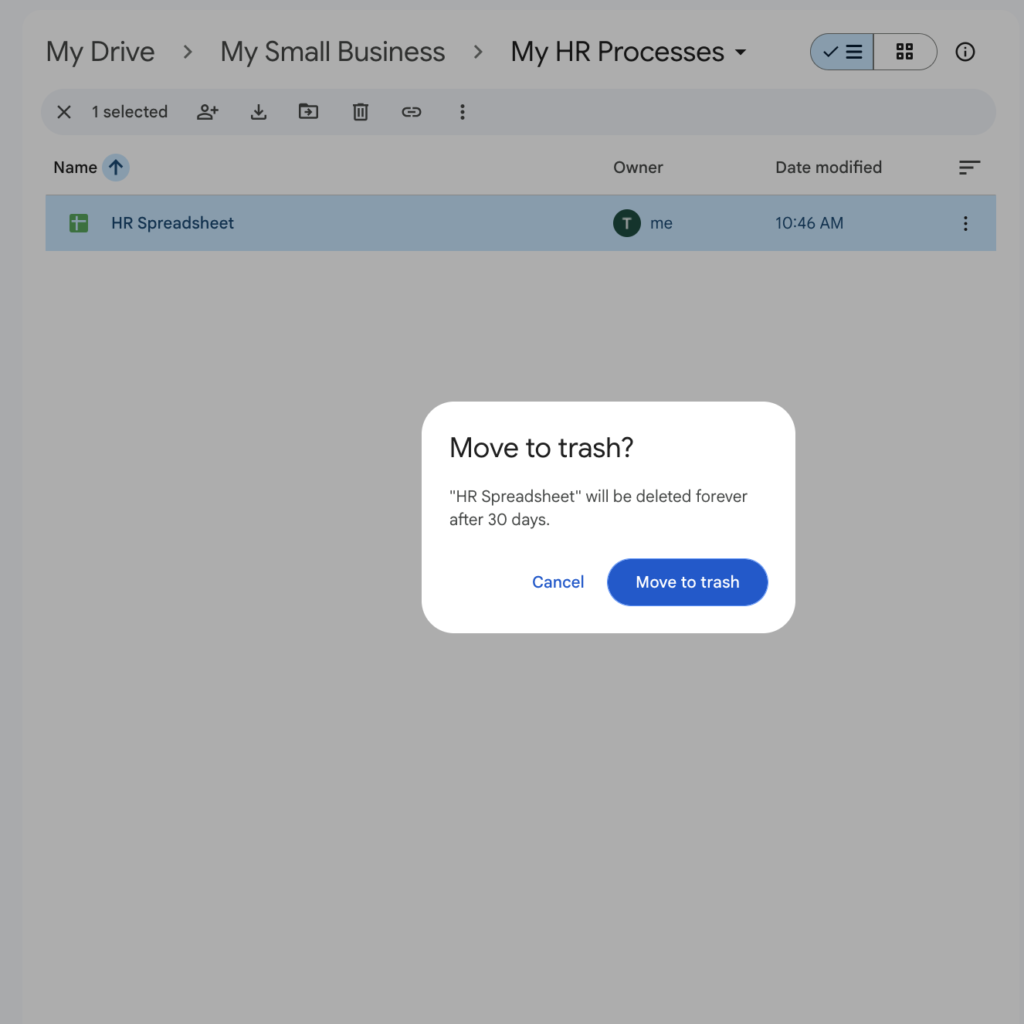
For most small businesses, HR doesn’t start with a strategy, it grows organically. A spreadsheet here. A PDF saved on someone’s desktop. A filing cabinet full of I-9s, offer letters, and performance notes. For a while, it works.
Until it doesn’t.
As teams grow, regulations tighten, and employee expectations rise, those manual, document heavy processes quietly turn into a liability.
The good news?
Modern HR software, paired with experienced human support, gives small businesses a way to clean things up without adding headcount or unnecessary complexity.
The Hidden Cost of “Good Enough” HR
Spreadsheets and paper files feel inexpensive because they’re familiar. They’re easy, they’re accessible, and for a while, they get the job done. But over time, the real costs start to add up.
Outdated forms, missed deadlines, and inconsistent documentation quietly increase compliance risk. Manual data entry, duplicate records, and constant searching chip away at hours every week. Leaders are left without real-time visibility into headcount, turnover, benefits costs, or compliance status. And employees feel it is too slow onboarding, unclear policies, and delayed responses hurt engagement and retention.
What starts as a scrappy workaround eventually turns into a bottleneck that makes growth harder than it needs to be.
Digital-First HR: What It Really Means
Digital-first HR isn’t about buying software just to say you have it. It’s about replacing a patchwork of disconnected tools with one system that actually works together: HR, payroll, benefits, time tracking, and talent management all in one place.
Instead of bouncing between spreadsheets, PDFs, and multiple vendor logins, small businesses get a single source of truth. Employee information flows naturally from hiring to onboarding to payroll and performance, without constant manual updates.
At its core, digital-first HR is built to be:
- All-in-one: One connected platform that eliminates data silos and handoffs
- Accessible: Cloud-based tools that work anywhere, whether teams are in-office, remote, or hybrid
- Automated: Everyday processes like payroll, onboarding, and compliance handled accurately and on time
- Scalable: Systems that support where the business is today and grow alongside it
When it’s done right, HR stops feeling reactive and fragmented and starts working quietly and reliably in the background.
Where Modern HR Software Makes the Biggest Impact
- Recruiting, Hiring, and Onboarding
Hiring is competitive, and small businesses don’t have time for clunky systems or extra admin work. Integrated recruiting and onboarding tools keep everything in one place, from job postings and candidate tracking to offer letters and first day paperwork. That means less back and forth and a smoother start for new hires.
Practical AI tools can help with things like drafting job descriptions or identifying strong candidates. They’re there to save time and support better decisions, not replace human judgment. - Payroll, Time, and Workforce Management
Payroll mistakes are stressful, time consuming, and expensive. Automating payroll helps reduce errors, ensures accurate tax calculations, and supports on time filings. When time tracking, scheduling, and expenses feed directly into payroll, duplicate data entry disappears.
The result is fewer mistakes, more confidence, and hours saved every pay period. - Benefits Administration and Employee Experience
Managing benefits through spreadsheets or email quickly becomes overwhelming as teams grow. Digital platforms simplify open enrollment, plan changes, and ongoing compliance requirements like ACA and COBRA.
Employees get clearer communication and easy, self-service access to their benefits, while HR teams spend less time answering the same questions over and over. - Employee Self-Service and Everyday HR Tasks
Modern HR systems give employees control over their own information. Updating personal details, viewing pay history, requesting time off, and accessing documents can all be done without waiting on HR.
This doesn’t just save time it improves accuracy and gives employees more transparency and ownership. - Reporting, Insights, and Decision Support
Built in reporting gives leaders real time insight into payroll costs, headcount trends, turnover, and workforce performance. Instead of pulling data from multiple systems, decisions are made using consistent, up to date information.
Custom workflows and reports also make it easier to align HR processes with how the business actually operates, not the other way around.
Why Software Alone Isn’t Enough
Technology is powerful, but HR is still human.
Small business owners and operations managers often don’t want to become HR experts. They want confidence that things are being handled correctly. That’s where outsourced HR support makes the difference. An expert HR team provides:
- Guidance on complex or sensitive employee issues
- Help applying policies consistently and fairly
- Support during growth, reorganization, or difficult conversations
- Peace of mind that someone is watching the details
When software and expert support work together, HR becomes both efficient and reliable.
A Better Experience for Everyone
Digital-first HR benefits more than leadership:
- Employees get self-service access to documents, benefits, and updates
- Managers get clearer processes and better data
- Owners get reduced risk, better insight, and time back to focus on the business
Instead of HR being something people avoid, it becomes something that quietly works.
The Competitive Advantage Small Businesses Overlook
Larger companies have long invested in HR infrastructure. Today, small businesses can access similar capabilities without enterprise budgets or internal HR departments.
Moving away from spreadsheets, PDFs, and paper files isn’t just an operational upgrade. It’s a signal that your business is professional, prepared, and built to grow.
The Bottom Line
If HR feels chaotic, reactive, or risky, the problem isn’t your people, it’s your process.
Digital-first HR software, supported by real HR experts, helps small businesses trade guesswork for clarity and stress for confidence. Because at Managepoint, it’s not about what you get, but who and having the right people behind your HR makes all the difference.
The result?
Fewer headaches, happier employees, and an HR operation built to support growth, not slow it down.
“Making the switch to Managepoint was a smooth transition, and it has been one of the best decisions we’ve made for our HR team.”